Nutritional guide facts
(According to The Institute of Health, my NASM
knowledge or other research)
No matter what, try eating Organic or avoid bad
ingredients that I discuss in this packet.
- Fats: Fats are basically triglycerides when converted down in the body, like carbohydrates, they’re first digested in the mouth before in the stomach and small intestine. Triglycerides are what’s stored as fat in your fat cells in the adipose tissue (one of your deepest tissue). Fat is also broken down into fatty acids also, which is your cholesterol, it’s what’s left over after the liver, cholesterol is the result after all that. Fat is an energy source along with carbohydrates, however, carbs are the main source in general and during exercise. Fats are still good to have because it provides warmth in the body also. You need 20-35 % of calories from all fats, total fat, unsaturated fats, monounsaturated and polyunsaturated fats. With saturated fats you need 10 % or less. Avoid saturated fats and Trans-fats and focus on the monounsaturated fats and polyunsaturated fats, the polyunsaturated fats are found in fish or from fish oil capsules, also coconut oil, more sources are below. These will keep your HDL cholesterol levels up, Monounsaturated fats are found in olive oil & canola oils and polyunsaturated fatty acids such as Omega-3 fatty acids in cold-water fish such as Salmon. The salmon oil is also good for hormones in females and hot flashes according to research and my own mother. We also give a capsule to one of our shih-tzu dogs. These have helped improve my mood and mental focus throughout the day, plus my sleep, I sleep deeply, and have better dreams. Omega-6 acids is what we don't need! Those increase inflammation in the body or make us fat. The American diet, the western diet consists of Omega-6 including candy or goodies like cakes/cupcakes.
- Food sources for Monounsaturated Fats: olive oil, canola oil, peanut oil, avocados, peanuts, almonds, and pistachios.
- Food sources for Polyunsaturated Fats: most nuts and seeds
Vegetable
oils: safflower, soy, corn, coconut oils, sunflower oils.
Omega-3 fatty acids: herring, mackerel, salmon, sardines, flaxseeds.
- Food sources for Saturated Fats: meat, poultry, lard, butter, cheese, cream, eggs, whole milk and many baked goods
- Tropical oils: coconut oil, palm, and palm kernel oil
- Food sources for Trans Fats: stick margarine, shortening, fried foods: fried chicken, doughnuts, fast food, and many baked goods and pastries.
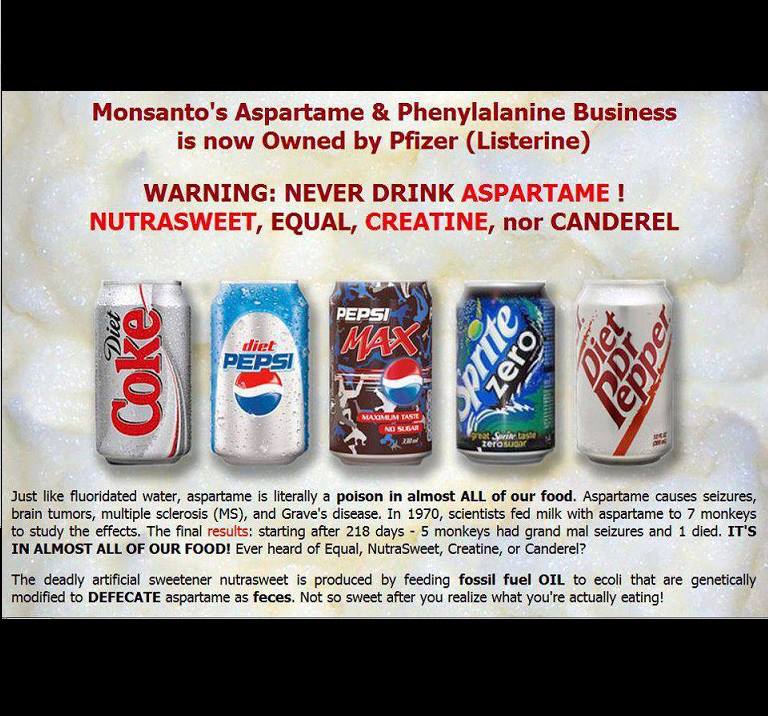
- GMOs also need to be avoided, foods like vegetables and processed foods are modified or changed to enhance the taste and create more shelf life, and this is what causes more food cravings. Under carbohydrates I talk about other things to avoid too like formaldehyde and maltodextrin. Pop is very bad as we know too. Pop has tons of bad sugar and high fructose corn syrup, diet pop has aspartame in it to replace the sugar from regular Pop. Just like candy or sweets, it's bad for your teeth & health.
- Omega 3 fish oil is excellent or Salmon Alaskan Oil, which is even better. Look for Salmon fish oil at SamsClub or someplace else, or online. Ask your doctor about fish oils or just do your research! Make sure nothing interferes with any meds you’re on.
- Try to avoid hydrogenated oils; they are the same as Tran’s fats in baked foods, cake, crackers and chips, etc. These types of oils are chemical reactions, gaseous hydrogens. They saturate foods more as fat, (organic compounds saturated). Avoid Omega-6 fatty acids as I mentioned above.
- Carbohydrates: Carbohydrates first digest in the mouth, then in the stomach and then completed in the small intestine before emptying out. They break down into glucose for overall energy, but stored as glycogen in the muscle cells in the muscles for muscle energy. There are simple and complex carbs out there. An example of simple would be white breads and pastas, both of which have enriched grain, and enriched flour, which is what bread, is made of obviously. There are 3 types of carbs: Monosaccharides, which are a single sugar unit such as simple sugars (glucose, fructose & galactose). Disaccharides are still simple; these include sucrose, lactose & maltose. Polysaccharides are foods containing starch and fiber, which are the most complex carbs in the foods out there. We need 45-65 % of calories. Talking about carbs, try to look for Bob’s Red Mill products in stores and/or online for example, I’ve found it all to be natural and old fashion like it used to be. They have soup mixes, flour mixes, oats, and whey protein mixes, etc., everything’s in small plastic packages. Other things to avoid in our food are formaldehyde and maltodextrin. Formaldehyde is a bad chemical used in industrialized things and whatever else, the point is, it’s not for us, but it’s in the Naked Juice drinks made by Pepsi and possibly in other drinks or foods, we never know until we research or find out the hard way. Maltodextrin is a complex carbohydrate but is processed by the companies out there, it can be modified (GMO’d) to also enhance the taste of the food and shelf life. Again, GMOs also need to be avoided, foods like vegetables and processed foods are modified or changed to enhance the taste and create more shelf life, and this is what causes more food cravings.
- Breads/grains. You may hear a lot of different things about whole wheat stuff or grains, such as in bread or pastas, now doctors are realizing that whole wheat is the source of weight gain, depression and other problems, this is why more people are avoiding gluten now. Still you want whole grain, it still benefits us, just avoid wheat! You just need the right kind of whole grain though. Avoid Enriched and bleached flower in breads and most flours. Although natural whole grain baking flour may thicken up more than enriched flour. So just switch on and off with simple and complex carbohydrates in your foods anyways, so your body can digest fast. Do your research. But you do want to focus on brands such as Pepperidge Farm brand breads or Bimbo bread, any company without “enriched flour.” Bimbo bread has whole wheat-white bread besides actual whole wheat brown bread with no high fructose corn syrup. As I mentioned up above, look for Bob’s Red Mill flours and breads in stores or online.
- Protein: all break down into amino acids. Catabolism is the breaking down of the proteins, and then the proteins build back up, (anabolism) for the body to use. Even carbohydrates and proteins can still be changed into triglycerides or glucose for energy use, carbohydrates can be changed back but proteins can’t. Calories from protein needs to be 10-35%. Besides meat or nuts, almonds, etc, dairy provides good protein. If you eat yogurt, look for any type of Organic live cultured yogurt brands such as Stonyfield. It must have the Organic certified symbol on the products and it’ll provide acidophilus and other probiotics as if you were supplementing with those. Regular yogurts won’t carry those. As far as hormones go, we have hGH (Human Growth Hormone) produced in the Anterior Pituitary Gland, and then IGF (Insulin-like-growth hormone) is a break down from that. Our muscles, bones, cartilage, collagen and liver utilizes IGF from hGH. We get this from animal protein, it helps build this up in our bodies. rBGH in dairy milk for example or hormones in meat cattle, it changes our cells, it increases our own hormones. Too much can cause cancer. Just like any over abundance on things.
- Everything in the body breaks down, (catabolism) and builds up the same way, (anabolism). All these are stored and broken down in the cells of each part of the body. Our cells in our bodies are the main functional unit. Even while eating bad foods, they have chemicals in them, and your body doesn’t know what to do, so it gets rid of the chemicals after processing the food, and then it all causes that weight gain still. Your body always uses what you give it.
- Sugars: Avoid high fructose corn syrup in foods and drinks, it’s basically a high dose of sugar to sweeten the foods and preserve it, (hence the word fructose), sugary corn syrup. Watch your sugar intake in foods; shoot for brown sugar or cane sugar, things like that. Consuming too many simple sugars though is what causes diabetes and weight gain, plus hence, it makes us crave more food. The proteins, fats and carbs that don’t get used up are all broken down into glucose, the body always finds a way to, & all is stored as fat when not in use. Consuming foods with sugar is a lot different than the carbs from foods converting into glucose in our bodies, they’re for the cells in our body, and glycogen in the muscles ready for use. Just like in the carb section, it talks about glucose, fructose, and galactose, etc, we really should focus on foods that will only convert into glucose; carbohydrates, fats, and eventually proteins will convert down into glucose, that’s the exact fuel our bodies need. We don’t need more sugar than we need such as (glucose + fructose) combined in the food. The sugar in foods is just fructose, especially when you see the phrase (high fructose corn syrup). For example, we don’t need to throw in a bunch of fruit and/or veggies in a blender to mix or use tons of syrup on waffles or pancakes, or anything sugary because it’s more fructose. You’d only want to consume one or two kinds of fruit at the most at a time when you’re juicing or making smoothies. Extra sugar from our foods and in juice drinks is more amounts than we need. Still avoiding diabetes and becoming overweight or obese is the goal. If we don’t have adequate glucose in us, a hormone called glucagon will kick in, to acts opposite to insulin, to balance out glucose levels, this isn’t good.
- You need at least 5 small meals per day whether for weight loss, weight gain or in general: breakfast to jump the metabolism, snack, lunch, snack, dinner and a healthy bed time snack if you choose. You also have the option of just snacking through the day. Focus on small meals. You can eat a 6th meal at night, but it can be a healthy snack with protein in it for your muscles. When you sleep, you’re body sort of detoxifies, you’re not doing much. So you need some nutrients to be in your system. Increasing carbs may make you think you’ll gain weight but quite the contrary, it’ll still increase metabolism.
- Hydration: Stay hydrated! Don’t believe the myths out there about how much water should be consumed. It really matters on how active you are. Sedentary people require fewer liquids than active people. In general, females need 9 cups of water and males need 13 cups of water, either way it’s about 8 – 9 glasses of water during the day. Gatorade and Powerade have been around for years, Gatorade has removed high fructose corn syrup it looks like but be careful with Powerade still, the drinks consist of too much sugar and high fructose corn syrup, (hence fructose). They’re considered high on the (high glycemic index chart). I recommend propel or any healthy drink with the sodium, potassium and vitamins. There are many drink mixes out there too for propel and other healthy drinks. They’re natural with lesser sugar, so you won’t get sugar addicted.
- Typically you want to consume 14-22 oz. of liquid 2 hours before exercise or activity. And consume 6-12 oz. every 15-20 minutes during exercise. Water is the smoothest and gives your body the oxygen. Any sports drink of vitamins/electrolytes is better for after exercise or an event in order to restore yourself.
- If you’re exercising for over an hour either in a gym or say during a marathon, you need a sports drink, but drinking water under 60 minutes is recommended. For every pound of body weight lost, you need 16-24 oz. of fluids replaced. Drinking plenty of water will keep not only your body hydrated but your muscles and joints lubricated as well. Water will keep your joints restored so your cartilage and other parts won’t dry out. This prevents wear and tear in all your synovial joints.
- Vitamins are good, you can either supplement with vitamins or as long as you eat well you should be able to absorb vitamins through food. Talk to your doctor or a health professional about how much of each vitamin you should take in. High vitamin D is good to take if nothing else. Vitamins A, D, E and K are all fat soluble, which means you need to eat food in order for these to metabolize and allow your body to function healthy, and Vitamins B and C are water soluble, which means it’s easier absorbed through water in your body. You can always research all the benefits of these vitamins or as me later as it’s too much to list.
- Phytochemicals are great from the vegetables or greens because it prevents or helps with cancer. Try to consume more fruits and veggies and greens in your eating habits to get your antioxidants!
Fiber intake
25
grams/day for women under 50 yrs of age including teenage girls.
30-38
grams/day for teenage boys and men under 50 yrs of age, who consume more
calories than women.
- Insoluble - Doesn't dissolve in water such as in your stomach. Can still be beneficial. It creates a bulk in your intestines this helps push food through quicker, speeds up digestion. Opposite of soluble fiber.
- Sources: oatmeal, oat cereal, lentils, apples, oranges, pears, oat bran, strawberries, nuts, flaxseeds, beans, dried peas, blueberries, psyllium, cucumbers, celery, and carrots.
- Soluble – Dissolves in water in your body. It forms a gel with water, which slows digestion, delays emptying the stomach. Good for suppressing appetite, making you feel fuller. Slowing down your digestion, your pancreas won’t have to release insulin to balance out sugar as much, so less insulin activity, decreases diabetes risk. This also can help lower your LDL cholesterol. This type of fiber has a laxative effect & adds bulk to your diet, again, helps with fullness.
- Sources: whole wheat, whole grains, wheat bran, corn bran, seeds, nuts, barley, couscous, brown rice, bulgur, zucchini, celery, broccoli, cabbage, onions, tomatoes, carrots, cucumbers, green beans, dark leafy veggies, raisins, grapes, fruit and root veggie skins. Incorporate more rich fruits, vegetables, whole grains, legumes, nuts and seeds in your diet
(Nutrition
label procedures)
Figure A
Fat = 9 calories per gram
Sat. Fat = 9 calories per gram
Carbohydrates = 4 calories per gram
Protein = 4 calories per gram
(Find the percentage of calories from each nutrient)
Figure B
Fat = 20 – 35%
Sat. Fat = 10% or less
Carbohydrates = 45 – 65%
Protein = 10 – 35%
Example
nutrition label using Figure A
Fat = 5g…
(5x9 =45 cal)
Sat. Fat = 1g… (1x9 = 9 cal)
Carbohydrates = 20g… (20x4 = 180 cal)
Protein = 10g… (40x4 = 40 cal)
Total calories = 324
Use Figure B to check if you match up to
that guide line. You take each nutrient and divide it by the total calories and
you’ll get the percentages. It’ll be a decimal and you may want to round the
number up. For example: Fat = 45 calories ÷ 324 total calories = .13 or 14%.
This is an example, but the fat percentage would be low in this case.
Fat = 45 calories ÷ 324 = %
Sat. Fat = 9 calories ÷ 324 = %
Carbohydrates = 180 ÷ 324 = %
Protein = 40 calories ÷ 324 = %
Protein intake
Average
sedentary person = .8g x body weight in kg
Endurance
athletes = 1.2 - 1.4
Strength
athletes including football players, etc = 1.4 – 2.0
Step 1. Calculation:
body weight ÷ 2.2 = kg body weight
Step 2. Kg body weight x protein intake
Carbohydrate intake
6 – 10 g per kg body weight
(Kg body weight x 6 or x 10
=)
High
protein and low carbohydrate diets usually induce weight loss but will result
in an increase of urination because the nitrogen level drops in the body. It’s
all about balancing out the nutrients. You want a negative energy balance where
you’re burning off more calories than you’re consuming.
Glycemic Index Food guide
Foods that determine your health, your weight gain or
developing diabetes, etc
High Glycemic Index Foods
Life savers
White bread
Whole meal bread
Dark rye
Cornflakes
Rice Krispies treats and cereal
Cheerios
Puffed wheat cereal
Mars Bar (snacks)
Jelly beans
Watermelon
Ice-cream-full fattening kind
Fanta soft drinks
Gatorade/Powerade sports drinks
Popcorn
Pretzels
Baked white potato
French fries
Grape nuts
Shredded wheat
Bagels
Rice cakes
Graham crackers
Instant rice
Gluten-free bread
Dates
Intermediate Glycemic Index Foods
Pumpernickel (bread)
Sourdough (bread, etc)
Heavy mixed grain (like in bread)
Whole wheat
Baked beans (canned legumes)
All Bran (cereal)
Porridge (cereal)
Chocolate bars (Hershey, Snickers, etc)
Bananas
Peaches
Oranges and orange juice
Apples and apple juice
Pineapple
Cantaloupe
Skim milk (whole milk is lower in sugar)
Yogurt, with low fat-fruit (dairy)
Carrots
Brown rice
Strawberry jam
PowerBar
Honey
Pita bread
Plain oatmeal
Sweet potato
Coco Cola
Raisins
Low Glycemic Index
Peanuts
Plain yogurt
Soy beans
Peas
Cherries
Barley
Grapefruit
Link sausage
Black beans
Lentils Skim milk
Fettuccine
Chickpeas
Chocolate milk
Whole wheat spaghetti
Apple
Pinto beans
Calculating your Resting Metabolic Rate (RMR) or
BMR
Physical activity factor levels for your calorie
expenditure
Very
light: seated or standing
activities like in an office, driving or cooking. 1.2 – 1.3
Low
active: In addition to your
sedentary life routine, 30 minutes of moderate activity equivalent to walking 2
miles in 30 minutes. (1.5 – 1.6)
Active: In addition to the activities of a low active
lifestyle, an addition, 3 hours of activity such as bicycling 10-12 miles per
hour or walking 4.5 miles per hour. (1.6 – 1.7)
Heavy: Planned vigorous activities, physical labor,
full-time athletes or hard-labor professionals such as steel or road workers.
(1.9 – 2.1)
Calculation
Use those activity level numbers to calculate
with your RMR down below:
Step 1. Body weight x 10 = RMR
Step 2. Your RMR
x activity factor = calorie expenditure
To lose weight, always take in lesser calories
than your expenditure, that’s why a 1,200, 1,400 or 2,000 calorie diet for
example is good.
For weight gain you just take in more calories
than your calorie expenditure.